By 2026, the digital world is no longer web-based but is based on mobile-first experience. This transformation affects the way business is related with customers. There is a record-high usage of smart phones. The majority of time is spent in apps and not in browsers. Customers have evolved with regard to their expectations.
Speed, personalization, and smooth experiences have become the expectations of the customers. This is better provided by mobile applications than most web sites. Applications are used in retail, healthcare, education and finance. Apps assist in increasing engagement, ease of work and augmenting revenue.
This is being driven by push alerts, AI personalization, and in-app buying. Mobile App Development has become an important element of the customer experience. With increasing competition, a web site is not sufficient. Companies have to remain digital in the marketplace.
This blog explains why Mobile App Development Dubai is a business need in 2026. It shows how apps meet new customer needs. It also shows how apps support steady growth.
The Role of Mobile Apps in Modern Business Growth in 2026
In 2026, mobile apps are no longer optional. They are now key business channels. Apps let companies reach customers directly. This cuts reliance on search ranks and social platforms. It also cuts reliance on third-party platforms.
Apps stay on a user’s device at all times. Each tap on the icon builds brand awareness. Repeat use builds comfort and habit. Over time, steady exposure builds trust. Trust often guides buying decisions.
This trend also shows in global spending. Statista expects the app market to reach $756 billion by 2027. Many firms now see apps as long-term assets. Apps can drive sales, service, or engagement. They also help businesses stay competitive and relevant.

Key Reasons of Having a Mobile App for Businesses
Mobile apps help with visibility, engagement, and retention. They also support long-term business growth. Customer behavior is now strongly mobile focused. Many businesses invest in apps for long-term strategy. Below are key reasons apps matter in 2026.
Your Brand Stays Visible Every Day
A mobile app keeps your business visible without ongoing ad spend. Once installed, your brand is part of a customer’s routine. The app icon stays as a reminder each day. This happens even when they do not open it.
Websites and social platforms require extra steps. Users must search, click, or react to ads. Apps give direct access with less effort. That ease supports repeat use.
For long-term relationships, this helps brand recall. It also builds familiarity over time.
Mobile Apps Enhance Customer Engagement
Mobile apps can feel more personal and interactive. Apps by a top mobile app development agency also support real-time actions and updates. Unlike static platforms, apps let users do key tasks. Users can:
- Browse products or services
- Save preferences
- Place orders and track activity in real time
- Receive instant updates
Push notifications also increase engagement. Studies show they can drive up to 40% more engagement than email. That makes them a strong way to reach users.
App use often feels direct and personal. This can increase time spent in your brand. It can also build stronger customer relationships.
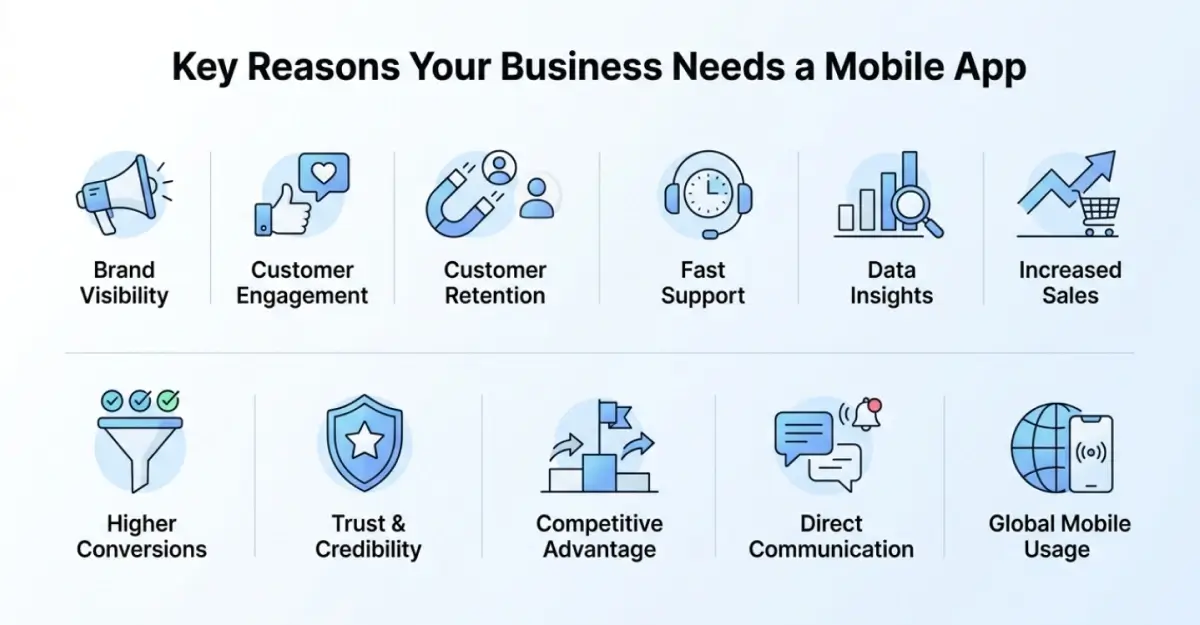
Higher Customer Retention and Repeat Usage
Keeping customers costs less than finding new ones. Mobile apps make repeat use much easier. Helpful features include:
- Saved payments and user details
- Order history and quick reordering
- Loyalty programs and rewards
- Personalized reminders
These tools remove friction in future visits.
Research shows 65% of businesses see better retention with apps. This highlights app value for long-term customer growth.
Faster and More Convenient Customer Support
Customers expect fast support today. Mobile Application Development Dubai meets this need with built-in tools. Common options include:
- In-app chat
- Help centers and FAQs
- Ticketing systems
- Real-time notifications
These tools reduce response time and improve satisfaction. They also make support easier to manage.
For service businesses, fast help can keep customers. Slow support can push them to competitors.
Better Data and Smarter Business Decisions
Mobile apps give clear insight into user behavior. This includes:
- Most-used features
- User paths and drop-off points
- Buying patterns and preferences
This data helps improve products and services. It also helps refine marketing and offers. It supports decisions based on real behavior.
Unlike third-party platforms, the business owns this data. This gives more control and better accuracy.
Increased Sales and Revenue Opportunities
Mobile app development Abu Dhabi can shorten the path to purchase. They help turn interest into action. Users can:
- Place orders quickly
- Book services instantly
- Subscribe or pay with ease
Less friction often means higher conversion rates.
App stores also offer major reach. Apple and Google stores see over 35 billion downloads each quarter. This gives access to active mobile users.
Building Trust and Credibility
A mobile app for business can signal a serious business. Many customers link apps with reliable brands. This is common versus brands with only a website. It also helps compared to brands with only social pages.
A well-made app builds trust through steady experience. It can also increase repeat use.
Standing Out in a Competitive Market
Many businesses still rely on websites and social media. A mobile app can set you apart right away. It can offer:
- Faster access
- Personalized experiences
- Direct communication
This edge can affect customer choice. This is vital in crowded markets.
Direct Communication Without Platform Dependence
Business mobile app benefits let you reach users without algorithms. They also reduce the need for paid promotions. With push alerts and in-app messages, you can share:
- Updates and announcements
- Promotions and offers
- Reminders and alerts
This improves reach and message consistency. It can also increase engagement versus third-party channels.
Mobile Usage Patterns Around the World
Smartphone use keeps growing worldwide. Studies show daily mobile time is high. Examples include:
- UAE users spend 4 hours 27 minutes on mobile each day
- USA users spend 3 hours 22 minutes each day
- The global average is 3 hours 46 minutes each day
This points to a clear shift. Customers prefer apps for shopping and booking. They also use apps for support and browsing. They use desktops and calls less often.
For local or global brands, apps match real behavior. Apps can boost engagement and loyalty. They also support long-term growth in 2026.
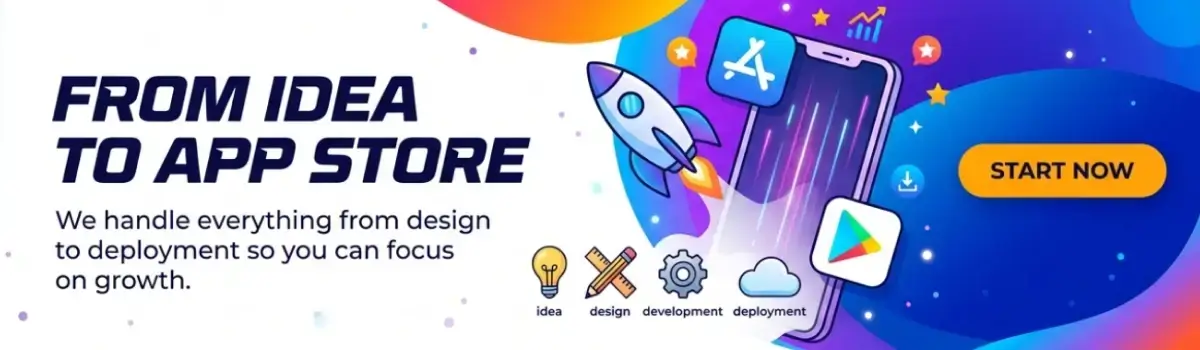
Industries That Benefit the Most from Mobile Apps
Many people ask why businesses need mobile apps? The answer is Mobile apps help many industries move faster. They improve convenience and personal service. They also support better access to key tools. In 2026, some industries benefit the most. These include industries with high customer contact. They also include industries that need real-time data. Easy access is also a major factor.
Retail & eCommerce
Retail, eCommerce and mobile commerce (m-commerce) changed a lot due to mobile apps. Many shoppers prefer apps for speed and ease. Mobile app development for business can also offer a more personal experience. Mobile apps help businesses:
- Offer one-click buying and secure checkout to cut cart abandonment
- Give AI-based suggestions from browsing and past buys
- Provide in-app deals, discounts, and loyalty rewards
- Enable real-time order tracking and updates
These features can raise satisfaction and help boost sales with mobile app. They can also lift order value over time. Competition is strong in online retail. Apps help brands build stronger customer ties. They also support repeat buying.
Healthcare
Mobile apps are changing healthcare access and delivery. They help care feel faster and more patient focused. Demand for digital health keeps rising. Apps now support key services like:
- Telemedicine visits with doctors from home
- Booking and reminders to reduce missed visits
- Access to records and prescriptions
- Health tracking through wearable device links
These tools improve patient engagement and follow-up. They also reduce strain on clinics and staff. They help deliver care on time.
Apps are also useful in remote areas. They help where healthcare access is limited.
Education
Mobile applications have been adopted in the education sector to help in facilitating interactive, convenient, and flexible learning. Coupled with the emergence of digital education, apps can make it possible to:
- E-learning portals with courses, certifications and development of skills.
- Multimedia-based content like videos, quizzes, and live lessons.
- Individualized instructional strategies on the basis of student performance.
- The development of progress and immediate feedback.
Learning has been made more adaptive and convenient by mobile applications, which enable students to learn at any place and anytime. They also assist teachers with supplying them with content delivery tools, communication, and performance analysis.
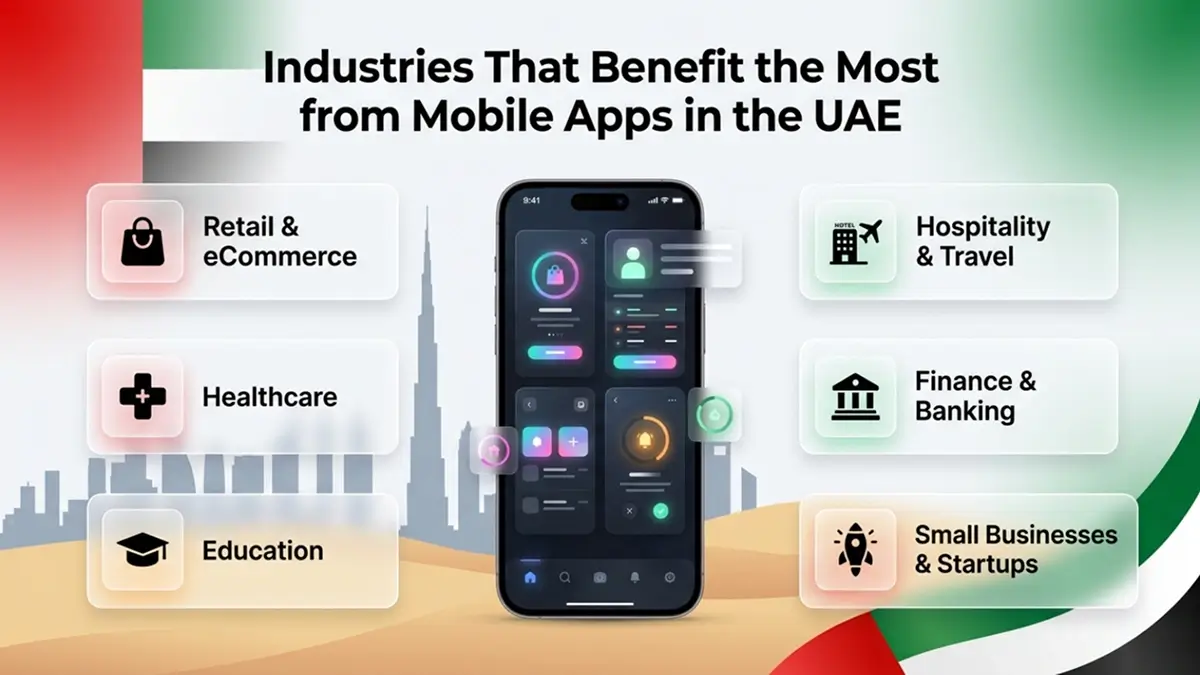
Hospitality & Travel
Mobile apps have made a crucial impact in the hospitality and travel sector as a means of providing easy and comfortable customer experiences. Travelers rely on apps, to:
- Hotel, flight and transport bookings in real-time.
- Live tracking of reservations, delays or changes in itinerary.
- No-contact check-ins, electronic keys, and mobile payments.
- Travel support and customer support.
These services not only provide convenience to the travelers and reduce uncertainties but businesses can streamline the operations and even enhance efficiency of their services. App by top mobile app development company also enable brands to offer personalized recommendations and offers about travel in a highly competitive environment.
Finance & Banking
The mobile applications have transformed the finance and banking industry as they offer much secure, fast, and easy services. Customers have now added expectations of being able to completely control their finances on their smartphones.
Key functionalities include:
- Available 24/7 mobile banking services to balance check and account management.
- protect network transactions with a biometric authentication service and an encryption service.
- Quickly transfer funds, pay bills and e-wallets.
- Expenses and budgetary applications.
These will make it convenient, less dependent on physical branches and also gain customer confidence. Mobile applications are emerging as the leading platform to engage in financial interactions as the use of digital payments continues to increase.
Small Businesses & Startups
Mobile apps for small business can offer a cheap and powerful means to expand and compete in the market to small businesses and startups. Unlike the traditional marketing channels, apps provide direct and economical interaction with customers.
Key advantages include:
- Push notifications and updates by direct communication.
- Here the place targeting will be done to reach the immediate environment customers.
- Easy order-taking, making of reservations or services.
- Loyalty programs to promote repeat business.
Business growth with mobile apps can also increase their customer relationships, elevate brand recognition, and grow their businesses without huge marketing budgets through mobile apps. They in 2026 in the future are tools that are vital in attaining sustainable and competitive growth.
Also Read: Top Mobile App Development Companies in UAE
Essential Features Every Business App Should Have in 2026
To succeed in 2026, a mobile app must go beyond basic functionality and deliver a seamless, secure, and personalized user experience. The following features are essential for any business app aiming to stay competitive and relevant.
User-Friendly Interface
A clean and intuitive interface is the foundation of any successful app. Users expect:
- Simple navigation with minimal steps to complete actions
- Clear layouts and fast loading screens
- Consistent design across all sections
A user-friendly interface reduces frustration, improves usability, and encourages longer engagement, ultimately increasing retention rates.
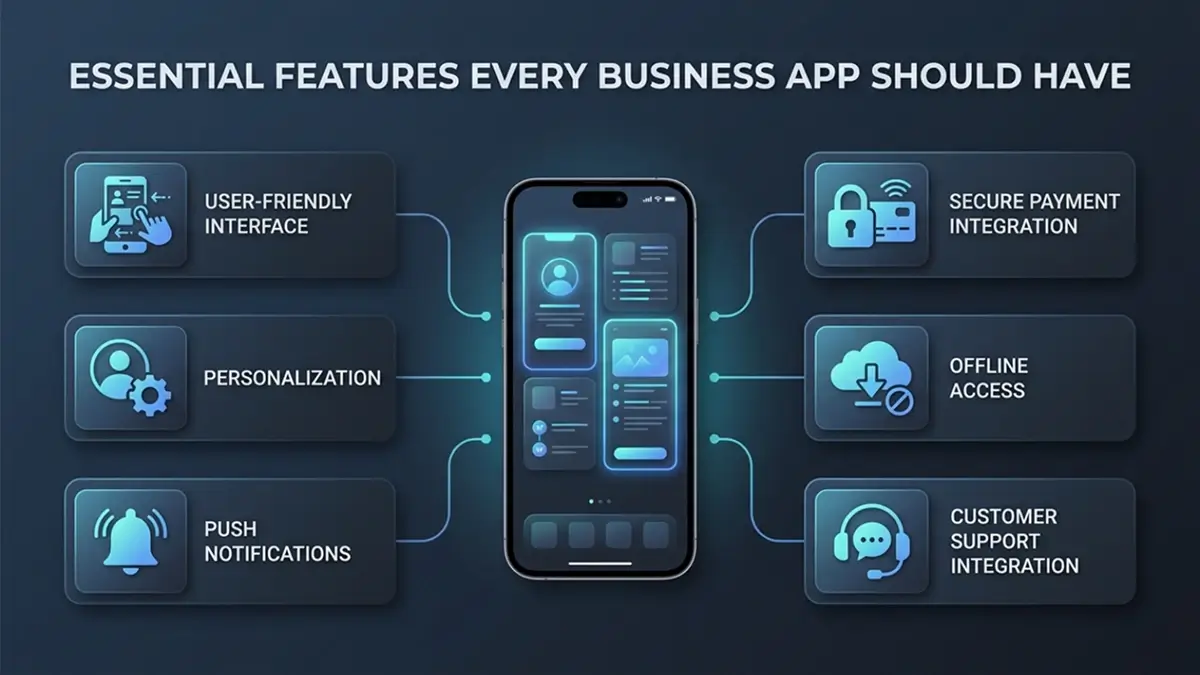
Personalization
Modern users expect apps to understand their preferences and deliver tailored experiences. Personalization includes:
- AI-driven product or content recommendations
- Customized dashboards based on user behavior
- Personalized offers and notifications
By using data intelligently, businesses can create more relevant experiences that boost engagement and customer satisfaction.
Push Notifications
The current generation wants to be able to have the apps discern their preferences and offer personalized experiences. Personalization includes:
- Artificial intelligence-powered product or content recommendations.
- User behavior based customized dashboards.
- Individualized offers and notifications.
It is possible to utilize data to generate more meaningful experiences that enhance engagement and customer satisfaction by businesses.
Secure Payment Integration
The trust and reliability of the payment system is critical in building trust and enabling transactions to be carried out without any effort. Essential elements include:
- A wide range of payment options (cards, digital wallets, local payment options).
- UTO has good, well developed security features such as encryption, biometric authentication.
- Fast and free check out services.
Secure payment integration is one of the approaches where not only does the data of users become safeguarded; the conversion rate is advanced by providing an opportunity to purchase simplified.
Offline Access
Providing limited functionality without an internet connection enhances usability and convenience. This may include:
- Access to saved content or previous activity
- Offline browsing of key features
- Automatic syncing when the device reconnects
Offline access ensures that users can interact with the app anytime, improving reliability and overall experience.
Customer Support Integration
Customer engagement through mobile apps is essential for user satisfaction and trust. Key features include:
- AI-powered chatbots for instant responses
- Live chat for complex queries
- Help centers, FAQs, and ticket systems
Integrated support allows users to resolve issues quickly without leaving the app, improving retention and overall customer experience.
How to Get Started with a Mobile App?
Define Your Goals
- Identify the core problem your app will solve
- Determine how it will benefit users
- Set clear business objectives (e.g., sales, engagement, retention)
A well-defined goal provides direction for development and ensures that every feature aligns with your business strategy. Without clear objectives, apps often fail to deliver value or meet user expectations.
Choose the Right Platform
- Decide between iOS, Android, or both
- Analyze your target audience and device preferences
- Consider budget, development time, and scalability
Selecting the right platform is crucial for reaching your intended audience effectively. Businesses with broader audiences often opt for cross-platform solutions to maximize reach while managing costs.
Hire Developers or an Agency
- In-house development for full control
- Outsourcing for faster delivery and expertise
- Evaluate cost, timeline, and technical capability
Choosing the right development approach impacts the quality and speed of your app. While in-house teams offer control, agencies bring experience and efficiency, making them a popular choice for startups.
Focus on MVP (Minimum Viable Product)
- Build only essential features initially
- Test the app with real users
- Collect feedback and improve continuously
Launching an MVP helps businesses reduce risk and validate their idea before investing heavily. It allows for gradual scaling based on actual user needs and behavior.
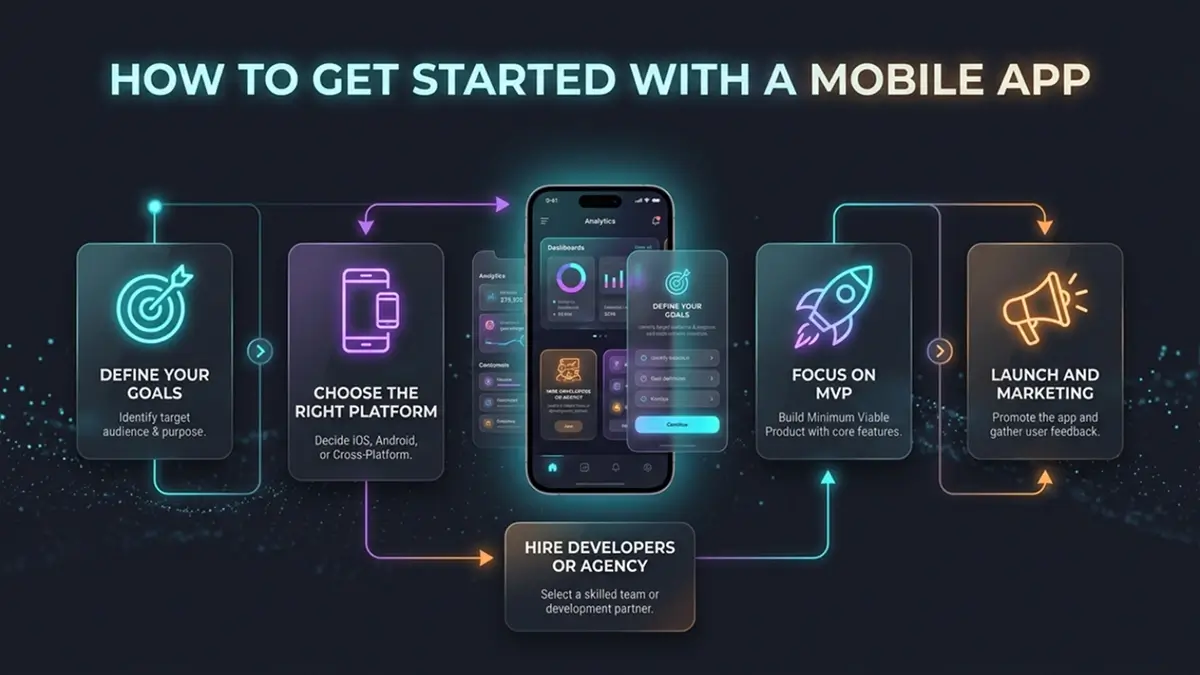
Launch and Marketing
- Optimize your app using App Store Optimization (ASO)
- Promote through social media and paid campaigns
- Use influencers and referral strategies to increase downloads
A strong mobile app marketing strategy ensures your app reaches the right audience. Continuous promotion, updates, and user engagement are key to maintaining growth and long-term success.
Cost vs ROI: Is a Mobile App Worth It?
Investing in a mobile app often raises questions about mobile app development cost, but when evaluated against long-term returns, it becomes clear that apps deliver significant business value.
App Development Costs
- Design and UI/UX development
- Backend development and integrations
- Testing, deployment, and maintenance
- Updates, security, and scalability
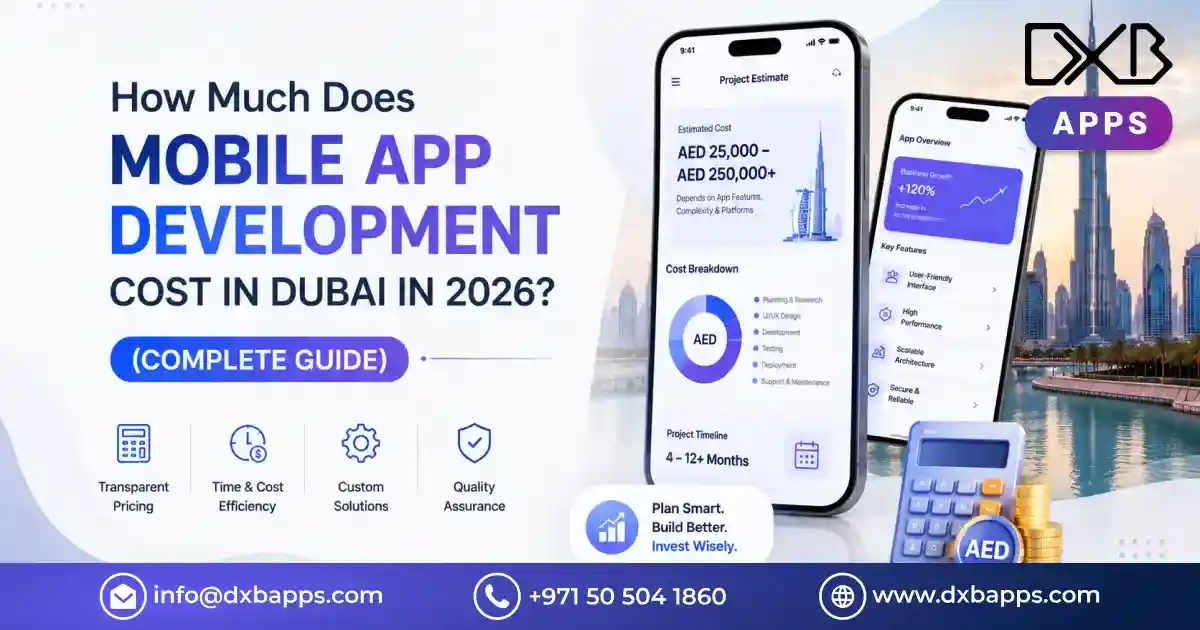
The total cost varies depending on complexity, features, and platform (iOS, Android, or both). While initial investment can be substantial, it is a one-time foundation that supports long-term growth.
Long-Term ROI Benefits
- Increased customer engagement and retention
- Higher conversion rates due to smoother user experience
- Reduced marketing costs through direct communication (push notifications)
- Stronger brand loyalty and recognition
Over time, these benefits contribute to consistent revenue generation and improved customer lifetime value.
Real Business Impact
Many businesses have experienced rapid growth after launching mobile apps. Retail brands report higher sales through in-app purchases, while service-based companies benefit from easier booking and faster customer interaction. Apps streamline processes, reduce operational costs, and improve overall efficiency.
Investment, Not an Expense
A mobile app by one of the Top Mobile App Development Companies in UAE should be viewed as a strategic investment rather than a short-term expense. Unlike traditional marketing, which requires continuous spending, an app creates a long-lasting digital asset that drives engagement, data insights, and revenue.

DXB APPS is a Leading App Development Company in Dubai
DXB APPS is a leading mobile app development company in UAE, known for delivering innovative and high-performance digital solutions tailored to modern business needs. With a strong presence in the UAE’s rapidly growing tech ecosystem, the mobile app development company specializes in developing custom iOS and Android applications across industries such as retail, healthcare, finance, and logistics.
DXB APPS is one of the top mobile app development companies in UAE that combines cutting-edge technologies like AI, IoT, and cloud integration with user-centric design to create scalable and secure applications. Backed by a team of experienced developers, designers, and strategists, the company focuses on delivering end-to-end services from concept and development to deployment and ongoing support helping businesses enhance customer engagement, streamline operations, and achieve sustainable growth in the competitive digital market.
DXB APPS helps brands transform their ideas into high-performing mobile and web applications. The team combines technical expertise with creative strategy to deliver scalable, secure, and visually engaging apps that enhance user experience and drive business growth in today’s competitive digital landscape.
Conclusion
In 2026, mobile apps are no longer a luxury, they are a strategic necessity for businesses aiming to remain competitive in a digital-first world. As consumer behavior continues to shift toward mobile usage, apps provide a direct, personalized, and always-accessible channel for engaging customers. From enhancing brand visibility and improving customer experience to driving sales and building long-term loyalty, mobile apps deliver measurable business value.
Moreover, with advancements in AI, 5G/6G connectivity, and seamless integrations with IoT and wearable devices, mobile apps are becoming smarter and more efficient than ever. Businesses that invest in mobile apps today are not just adapting to current trends but positioning themselves for sustained growth in the future. Ultimately, a well-designed mobile app is no longer optional, it is a core component of modern business strategy.
FAQS
1. Why is a mobile app better than a website for businesses?
While websites are essential, mobile apps offer a more personalized and faster user experience. Apps provide features like push notifications, offline access, and device integration, which enhance customer engagement and retention compared to traditional websites.
2. Are mobile apps expensive to develop in 2026?
The cost of app development varies depending on complexity, features, and platform (iOS, Android, or both). However, with modern development tools, cross-platform frameworks, and no-code/low-code solutions, building apps has become more cost-effective than before.
3. How do mobile apps help increase sales?
Mobile apps streamline the customer journey by offering easy navigation, personalized recommendations, and secure payment options. Features like push notifications and in-app offers also encourage repeat purchases and boost conversion rates.
4. Can small businesses benefit from mobile apps?
Yes, mobile apps are highly beneficial for small businesses. They help improve customer engagement, build brand loyalty, and compete with larger companies by offering a direct communication channel with customers.
5. What features should a business mobile app include?
A good business app should include user-friendly navigation, secure login, push notifications, fast loading speed, personalized content, and seamless payment options. Additional features depend on the business type, such as booking systems, chat support, or loyalty programs.